Immigrant Council of Ireland
Get help Donate SearchSearch icon
Search
  • About
  • Get Help
  • Campaigns
  • News
  • Resources
  • Support Us
  • Training

Who We Are

  • Vision & Mission
  • Our stories
  • Meet the team
  • Board of directors
  • Contact us
  • Work with us
  • Sign up for our newsletter

What We’ve Done

  • Impact Statement
  • Stories

How We Work 

  • Our Process
  • Partnerships
  • Independent Law Centre
  • Community Navigators
  • Education & Training

Governance

  • Good Practice & Transparency
  • How we are funded
  • Annual Reports
  • Child Protection Policy

Information Line

  • Call Us
  • Report Racism
  • Information for Migrant Victims of Domestic Abuse

Your Rights

  • Know Your Rights
  • Citizenship & Permanency
  • Family Reunification
  • Working in Ireland
  • Domestic Abuse
  • International Students
  • Anti-trafficking
  • Anti-racism

FAQs

  • Top 10 FAQs
  • COVID-19 and immigration FAQs
  • Brexit immigration FAQs
  • Undocumented Regularisation Scheme FAQs

Case Studies

  • Stories
  • Share your story
  • Campaigns
  • Show Racism the Red Card
  • EASY. Increasing dialogue, awareness, and victim-centred support for victims of forced marriages
  • Be an Ally Against Racism!
  • Anti-Racism
  • Gender-Based Violence
  • Trafficking of Women and Girls
  • Refugee Crisis
  • Integration
  • Immigration Reform
  • Statelessness
  • Child Migration Matters
  • Local Migrant Integration Index
  • Immigrant Council training
  • Publications
  • Newsletter
  • Media Resources
  • Useful Links
  • Privacy Statement
  • Donate
  • Fundraise
  • Share your story


  • Immigrant Council Training
  • Request more information
  • Intercultural and Anti-racism training
  • Diversity training
  • Immigration process training
  • Migrant political participation training
  • Anti-trafficking training
  • Show Racism the Red Card


  • About

    Who We Are

    • Vision & Mission
    • Our stories
    • Meet the team
    • Board of directors
    • Contact us
    • Work with us
    • Sign up for our newsletter

    What We’ve Done

    • Impact Statement
    • Stories

    How We Work 

    • Our Process
    • Partnerships
    • Independent Law Centre
    • Community Navigators
    • Education & Training

    Governance

    • Good Practice & Transparency
    • How we are funded
    • Annual Reports
    • Child Protection Policy
  • Get Help

    Information Line

    • Call Us
    • Report Racism
    • Information for Migrant Victims of Domestic Abuse

    Your Rights

    • Know Your Rights
    • Citizenship & Permanency
    • Family Reunification
    • Working in Ireland
    • Domestic Abuse
    • International Students
    • Anti-trafficking
    • Anti-racism

    FAQs

    • Top 10 FAQs
    • COVID-19 and immigration FAQs
    • Brexit immigration FAQs
    • Undocumented Regularisation Scheme FAQs

    Case Studies

    • Stories
    • Share your story
  • Campaigns
    • Campaigns
    • Show Racism the Red Card
    • EASY. Increasing dialogue, awareness, and victim-centred support for victims of forced marriages
    • Be an Ally Against Racism!
    • Anti-Racism
    • Gender-Based Violence
    • Trafficking of Women and Girls
    • Refugee Crisis
    • Integration
    • Immigration Reform
    • Statelessness
    • Child Migration Matters
  • News
  • Resources
    • Local Migrant Integration Index
    • Immigrant Council training
    • Publications
    • Newsletter
    • Media Resources
    • Useful Links
    • Privacy Statement
  • Support Us
    • Donate
    • Fundraise
    • Share your story
  • Training


    • Immigrant Council Training
    • Request more information
    • Intercultural and Anti-racism training
    • Diversity training
    • Immigration process training
    • Migrant political participation training
    • Anti-trafficking training
    • Show Racism the Red Card


Get help Donate
News

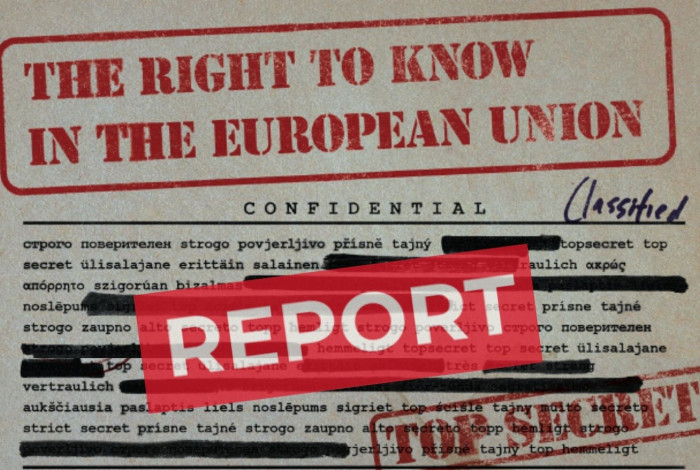
The Right to Know in the European Union: Comparative Study on Access to Classified Data in National Security Related Immigration Cases
30 April 2024
The Right to Know in the European Union

Today has seen the release of a study on the use of national security and public policy reasons in immigration related decisions across Europe.

The result of an almost year-long intense working process and very unique cooperation between lawyers from across Europe, including from the Immigrant Council of Ireland and the Hungarian and Helsinki Committee. This report highlights some key findings:

  • State security considerations play a key role in immigration-related proceedings: a foreign national who poses a threat to national security is not granted the right to enter or reside from any EU Member State concerned. The threat to national security is assessed by the administration, on the basis of data which are generally classified and to which the foreign national has access only in exceptional cases and to a certain extent. 
  • The Court of Justice of the European Union (CJEU) and the European Court of Human Rights (ECtHR) stipulated certain minimum safeguards concerning these national security cases with regard to the right to an effective remedy. Despite the safeguards laid out by the courts, national practices of the Member States of the European Union vary and in numerous cases do not align with the jurisprudence of the courts.
  • Recently, however, no comprehensive research has been conducted as to how the issue of applicants’ right to know and their right to access classified information are regulated in the Member States of the European Union, and whether national frameworks are in line with European standards. This comparative pan-European mapping study aims to fill this gap. The study gives a comparative analysis of the laws and practices of  EU Member States concerning their compliance with the standards laid out by the ECtHR and CJEU jurisprudence on invoking national security grounds in immigration cases, as well as the scope and effectiveness of the remedy provided against administrative decisions in such cases.

To read this study in full, please find the direct link here: 

https://helsinki.hu/en/wp-content/uploads/sites/2/2024/04/The-Right-to-Know-in-the-European-Union-2024.pdf

Back to News
Share
Immigrant Council of Ireland logo
Donate Take Action
Follow Us Twitter logo Twitter logo Facebook logo Facebook logo
Contact Immigrant Council of Ireland Contact Immigrant Council of Ireland Contact
Newsletter

About

Who We Are

  • Vision & Mission
  • Meet the Team
  • Board of Directors
  • Work With Us

What We've Done

  • Impact Statement
  • Our Stories

How We Work

  • Our Process
  • Working in Partnership
  • Independent Law Centre
  • Training

Governance

  • Good Practice & Transparency
  • Annual Reports

Get Help

  • Immigration Helpline
  • Call Us
  • Report Racism

Your rights

  • Know Your Rights
  • Citizenship and Permanency
  • Family Reunification
  • Working in Ireland
  • Domestic Abuse
  • International Students
  • Anti-trafficking
  • Anti-racism

FAQs

  • Top 10 FAQs


Case Studies 

  • Stories
  • Share your story

Campaigns

  • Campaigns

News

  • Latest news

Resources

  • Publications
  • Media Resources
  • Useful Links

Support Us

  • Donate
  • Fundraise
  • Working in Partnership
Copyright © 2026 - Immigrant Council of Ireland - Registered Charity Number 20061982 - Privacy statement